



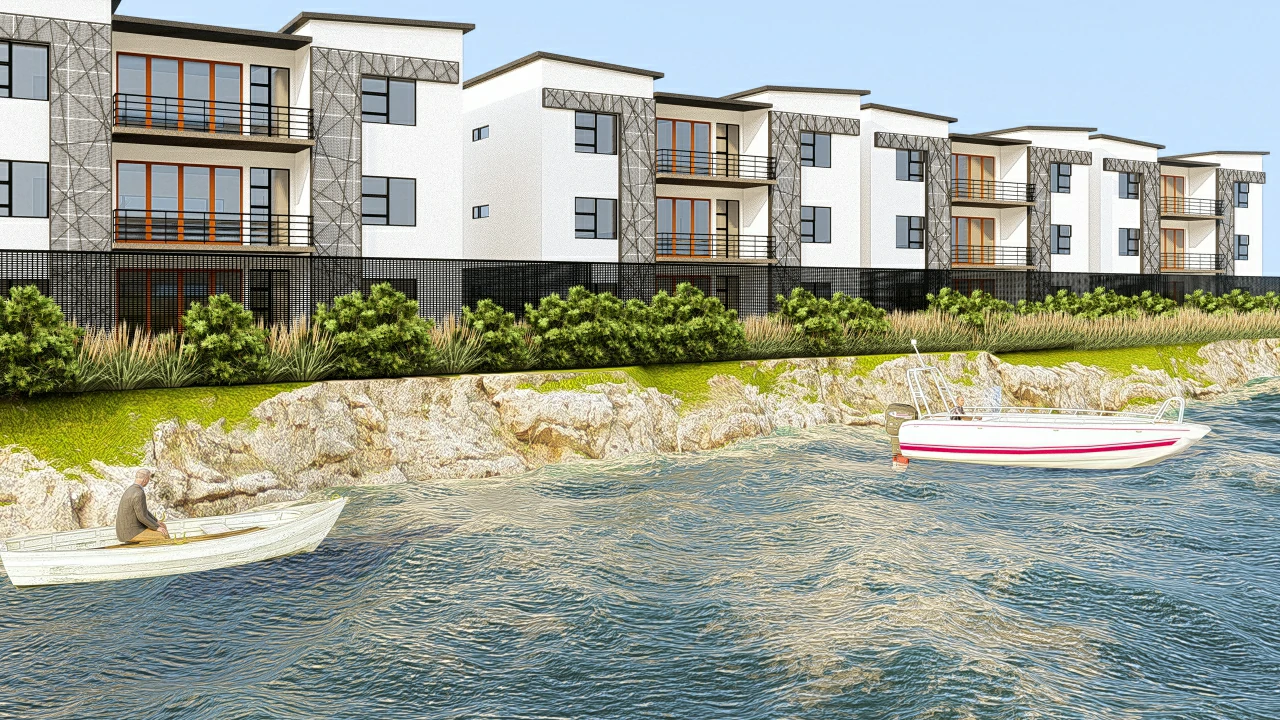
Building Plan for Rental Rooms in South Africa: Everything You Need to Know
With the growing demand for affordable housing in South Africa, many property owners are turning to rental rooms as a lucrative investment opportunity. Whether it’s adding backyard rooms, converting outbuildings, or developing multi-unit spaces, rental accommodations are in high demand across urban and peri-urban areas.
But before laying the first brick, it’s critical to understand the legal and technical requirements. A municipally approved building plan is not just recommended—it’s legally required. In this guide, we break down everything you need to know about building plans for rental rooms, including the design elements, approval process, costs, and legal implications.
Why Invest in Building Rental Rooms?
Building rental rooms is an increasingly popular way to generate passive income while making practical use of available land. It’s especially effective in areas where there’s the following:
- High demand for low-cost housing
- Proximity to universities or colleges
- Access to transport routes and job hubs
- Limited space for full-scale developments
Benefits of building rental rooms:
- Steady monthly income
- Flexibility to scale over time (add more rooms later)
- Relatively low construction cost per unit
- Increased property value if properly approved and documented
This approach is ideal for homeowners wanting to supplement their income, as well as investors looking to develop rental properties on residential-zoned plots.
Do You Need Approved Building Plans for Rental Rooms?
Yes, approved building plans are mandatory for rental rooms in South Africa. Even small structures intended for tenants—like backyard cottages or multiple-room units—must be reviewed and approved by your local municipality. Without approved plans, you risk legal action, fines, or even demolition orders.
Approval is necessary because:
- The structure must comply with SANS 10400 and the National Building Regulations.
- Local zoning laws determine how many units can be built and what services must be provided.
- The safety, health, and dignity of tenants must be protected.
In some cases, you may need to apply for:
- Rezoning: if your land is zoned for single residential use, but you plan to build multiple dwellings.
- Consent use: for properties within certain zoning categories.
- Departure approvals: if your building encroaches on required setbacks or coverage restrictions.
Key Components of a Building Plan for Rental Rooms
When designing and submitting a building plan for rental rooms, the following components must be included:
- Site Plan: Shows the full layout of the property, existing structures, and where new rooms will be located.
- Floor Plans: Displays each room’s layout, including dimensions, window and door placement, and furniture layout (for clarity on space usability).
- Plumbing and Drainage: Indicates water supply lines, drainage points, and how waste will be managed.
- Electrical Layout: Outlines power points, distribution boards, and lighting.
- Elevations and Sections: Provides a visual representation of the building from different angles and cross-sections for council review.
- Energy Efficiency Compliance: Demonstrates how the structure complies with SANS 10400-XA (e.g., insulation, orientation, natural ventilation).
- Parking & Circulation: May be required, especially in urban areas with density controls. Space for tenants’ vehicles, access paths, and pedestrian flow must be considered.
Design Considerations for Rental Rooms
The success of a rental room project depends on thoughtful design that balances affordability, tenant comfort, and maintenance efficiency.
Key design considerations:
- Room Size: A good starting size is between 15m² and 25m² per room, depending on the type of tenant (student, working adult, etc.).
- Private vs Shared Amenities: Decide whether rooms will include en-suite bathrooms and kitchenettes or whether communal bathrooms and kitchens will be used to save space and costs.
- Privacy & Security: Consider solid walls between rooms, soundproofing, private entrances, and secure perimeter fencing.
- Natural Light & Ventilation: Compliant window sizes, strategic orientation, and airflow improve living conditions and reduce energy use.
- Durability & Maintenance: Use materials and finishes that are easy to clean and resilient, as rental units experience more wear and tear.
Approval Process for Rental Room Projects
The building plan approval process for rental rooms follows the same legal procedures as any formal development:
- Hire a SACAP-registered professional (architect or draughtsperson) to prepare your plans.
- Gather supporting documents, including:
- Zoning certificate
- Title deed
- SG diagram
- Energy efficiency reports (SANS 10400-XA)
- Engineer’s reports (if structural changes are involved)
- Submit the plans to your local municipal building control office (some areas allow online submissions).
- Wait for plan assessment, which can take between 4 and 10 weeks, depending on complexity and municipal workload.
- If comments or corrections are issued, your architect will revise and resubmit.
- Once approved, you’ll receive stamped plans and can legally begin construction.
In cases where land use changes are required (e.g., rezoning or special consent), the process may take several months longer and involve public participation.
Costs Involved in Building Rental Rooms
The total cost of a rental room project varies depending on size, quality, and location, but here’s a breakdown of typical expenses:
- Professional fees:
- Architect or draughtsperson: R8,000–R20,000+ (depending on project scale)
- Engineer (if required): R3,000–R10,000
- Municipal submission fees:
- Plan scrutiny: R1,500–R5,000 (varies by area)
- Plan scrutiny: R1,500–R5,000 (varies by area)
- Construction costs:
- Basic rental room: R5,000–R8,000/m²
- Higher-end finishes: R9,000–R12,000/m²
Tips to reduce costs:
- Use standardised room layouts
- Share plumbing lines among grouped rooms
- Use prefabricated materials where appropriate
Legal and Compliance Considerations
Ignoring legal requirements can result in serious consequences. Building rental rooms without approved plans can lead to:
- Fines or legal notices from your municipality
- A “stop works” order halting construction
- Being denied an occupation certificate, which can affect insurance or tenant rights
- Demolition of non-compliant structures
You also have a legal responsibility to ensure:
- Safe electrical and plumbing installations
- Minimum room sizes and ventilation
- Structural soundness and fire safety (especially in multi-room dwellings)
If rental rooms are let without meeting these conditions, you could face legal claims from tenants or liability in emergencies.
Return on Investment (ROI): Is It Worth It?
When done right, building rental rooms can offer exceptional returns with relatively low upfront investment. For example:
- If you build 4 rental rooms at R80,000 each (total R320,000) and charge R2,500/month per room, that’s R10,000/month in income.
- Your gross ROI is over 37% annually, excluding operational costs.
Additional ROI benefits:
- The property’s resale value increases with approved rental units.
- Properties with legal, income-producing structures are more attractive to buyers and banks.
- Rental demand often remains stable, especially in densely populated or student-rich areas.
Sample Layout (Optional Addition)
Imagine a layout of four 20m² rental rooms arranged around a central courtyard, each with:
- Private entrance
- Shared bathroom and kitchen
- Secure access gate
- Prepaid electricity metres
- Common laundry area
This type of design maximises land use and simplifies construction while still offering decent privacy and liveability.
FAQs
How many rooms can I build on my plot?
This depends on your zoning rights, coverage allowance, and available space. A zoning certificate or town planner can clarify.
Can I convert my garage into rental accommodation?
Yes, but only with approved plans and if the space meets safety and health regulations.
Do I need separate water/electric meters for tenants?
Not mandatory, but prepaid submetering helps manage consumption and reduce disputes.
Can I build rental rooms on RDP or subsidised housing?
Generally not without approval, and restrictions vary. Check with your municipality before building.
Building rental rooms can be a smart and sustainable way to generate income and respond to South Africa’s housing shortage. However, it’s essential to follow the correct procedures—starting with a professional building plan and proper municipal approvals. Taking shortcuts might save you money now, but it could cost you far more down the road.
Need expert help with your rental room building plans? Contact Standish today for professional guidance, plan preparation, and approval support.
