



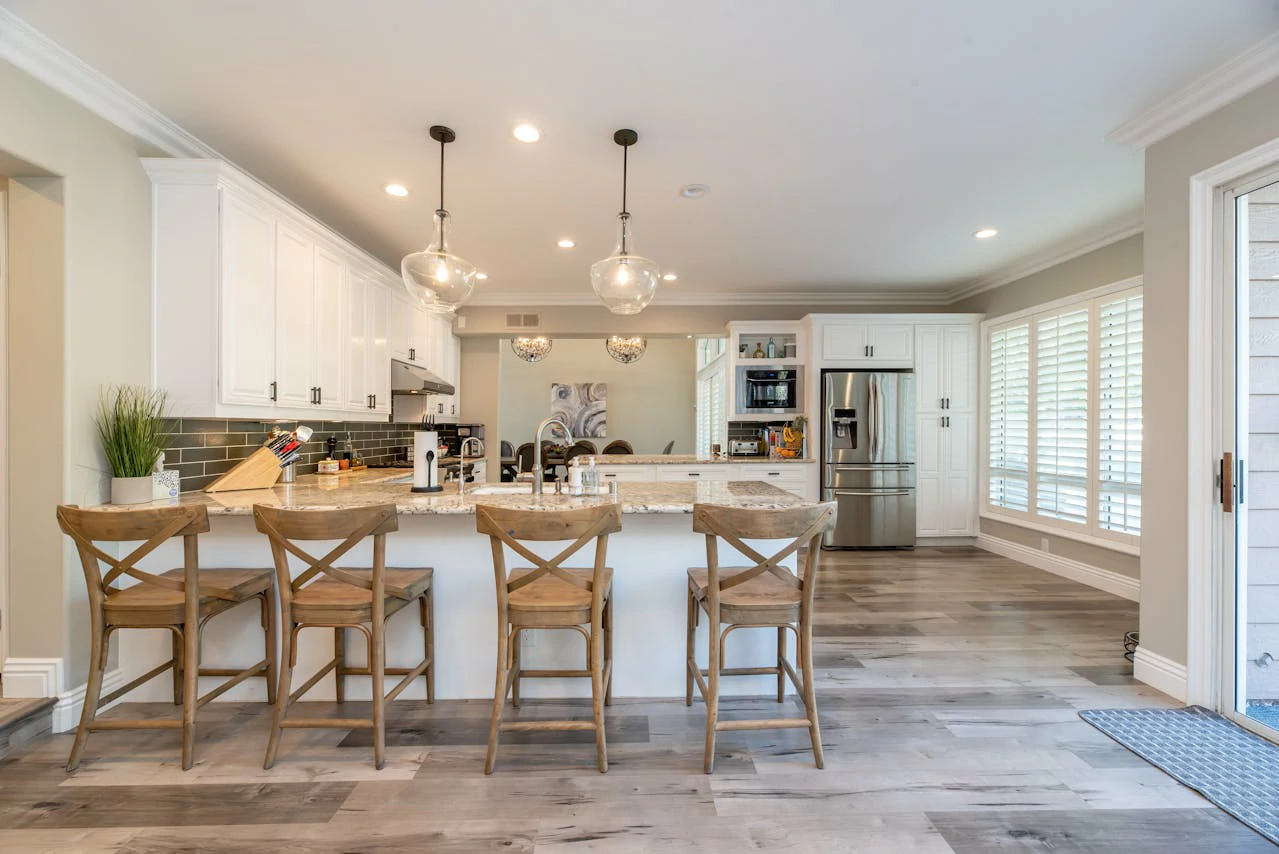
Open Plan Home Design – The Ultimate Guide to Modern, Spacious Living
Open-plan home design has transformed the way we think about modern living. By removing internal walls and barriers, this approach encourages a more fluid, flexible use of space. It’s particularly popular in contemporary South African homes, where natural light, outdoor views, and a strong sense of family connection are central to lifestyle. Whether you’re renovating an existing home or building from scratch, this guide explores the ins and outs of open plan design—its benefits, challenges, key layout ideas, and practical advice to help you create a functional, beautiful space.
What Is Open-Plan Home Design?
Open plan design refers to architectural layouts that combine multiple traditional living spaces—most often the kitchen, dining area, and lounge—into a single, large room without interior walls separating them. The goal is to create a sense of openness and flow while enhancing visibility and interaction throughout the home.
There are varying degrees of openness:
- Fully open layouts have no dividing walls at all.
- Semi-open designs use half-walls, glass dividers, or different flooring/ceiling treatments to define zones without total separation.
This approach supports modern lifestyles, where people prefer communal environments for entertaining, working from home, and connecting with family throughout the day.
Benefits of Open Plan Living
Open-plan homes offer several practical and aesthetic advantages that make them a top choice for new builds and renovations:
- More Natural Light: Without interior walls to block windows, sunlight travels further into the home, reducing the need for artificial lighting.
- Improved Airflow: The open space allows for better cross-ventilation, which helps with passive cooling.
- Enhanced Family Interaction: Parents can cook while watching the kids, or guests can chat with the host while meals are being prepared.
- Flexible Use of Space: Furniture can be rearranged for different occasions – be it a dinner party, play area, or workspace.
- Modern Appeal & Resale Value: Open layouts are considered trendy and often increase buyer interest and home value.
Challenges and Considerations
While open-plan living has many benefits, it’s not without its challenges. To make it work effectively, you’ll need to address the following:
- Noise: Sound travels easily in open areas. Without walls, activities like watching TV, cooking, and conversation can overlap.
- Privacy: It may be difficult to find a quiet or secluded space, especially in homes with more than two people.
- Temperature Control: Heating or cooling a large, open space can be less efficient than in smaller, enclosed rooms.
- Clutter Visibility: There’s no hiding mess in an open plan—tidiness becomes a must.
Solutions:
- Use area rugs, strategic furniture placement, or bookshelves to subtly define zones.
- Introduce acoustic treatments like soft furnishings or textured wall panels to absorb sound.
- Invest in energy-efficient HVAC systems or ceiling fans for climate control.
Popular Open Plan Layout Combinations
Open plan doesn’t mean the same thing in every home. Here are common open layout combinations:
- Kitchen + Dining Room: Ideal for casual family meals and easy serving.
- Dining + Living Room: Great for entertaining and maximising space in small homes.
- Kitchen + Living + Dining: A fully integrated space perfect for modern families.
- Open Plan with Scullery or Pantry: Keeps prep mess out of sight while retaining openness.
- Loft-Style Mezzanines: In double-volume homes, an upper-level lounge or study adds layered openness.
These configurations can be adapted based on your family’s needs and available space.
Key Design Elements for Open Plan Homes
Designing an open-plan home successfully is about clever space definition without walls. Key strategies include:
- Zoning Without Walls:
- Use area rugs to separate the living from the dining areas.
- Arrange sofas or shelving units to “anchor” each zone.
- Lighting Layers:
- Combine ambient lighting (e.g., downlights), task lighting (e.g., under-cabinet lights), and accent lighting (e.g., pendant lights) for balance.
- Combine ambient lighting (e.g., downlights), task lighting (e.g., under-cabinet lights), and accent lighting (e.g., pendant lights) for balance.
- Consistent Flooring:
- Use the same floor finish (tiles, wood, or vinyl) to unify the entire area.
- Use the same floor finish (tiles, wood, or vinyl) to unify the entire area.
- Colour & Texture:
- Subtle paint changes or material shifts (e.g., wood to brick) can separate zones without breaking the visual flow.
- Subtle paint changes or material shifts (e.g., wood to brick) can separate zones without breaking the visual flow.
- Furniture Flow:
- Leave at least 900mm between major furniture pieces to allow for movement.
- Avoid crowding the space—less is more.
- Ceiling Design:
- Use dropped ceilings, bulkheads, or exposed beams to define different areas in an open space.
Tips for Creating a Functional Open Plan Layout
- Plan Sightlines: Think about what’s visible from the front door, couch, and kitchen. Avoid placing clutter-prone zones in direct view.
- Keep Pathways Clear: Maintain at least 900mm of walking space between furniture or built-ins.
- Add Storage: Use built-in cabinets, under-island storage, or wall niches to reduce clutter.
- Choose Multi-Functional Furniture: Ottomans with storage, fold-out dining tables, or mobile kitchen islands enhance flexibility.
- Work With a Professional: Architects and interior designers can help you avoid common mistakes and optimise your layout for flow and function.
Open Plan in Small vs Large Homes
In Small Homes:
- Open-plan design can make the home feel larger and brighter.
- Use mirrors, glass furniture, and neutral colours to enhance the sense of space.
In Larger Homes:
- You may need to address acoustics and heating more carefully.
- Create multiple “micro zones” to maintain a sense of intimacy within large areas.
Whether your home is large or small, an open plan can work if tailored to your lifestyle and layout constraints.
Is Open Plan Right for You?
Before committing to an open layout, consider your household needs:
- Do you value privacy and quiet space?
- Do you frequently entertain or host guests?
- Do you work from home and need separation for focus?
Alternatives:
- Semi-open layouts: partial walls or sliding panels offer the best of both worlds.
- Glass partitions: create division without losing visual openness.
- Split levels or sunken rooms: naturally separate spaces without enclosing them.
An open plan may not suit every family, but for many, it’s a stylish and functional upgrade.
Examples and Inspiration
Here are some real-world open-plan ideas:
- Compact Open Plan Apartment: Kitchen-dining-lounge combo using neutral tones, foldable furniture, and pendant lighting to define space.
- Suburban Family Home: Open-plan kitchen and living area with a scullery hidden behind sliding doors; the island doubles as a dining counter.
- Modern Farmhouse: Large open lounge with vaulted ceilings and a central fireplace separating the kitchen and relaxation area.
Use Pinterest or platforms like Houzz for inspiration, or consult with Standish to see tailored layout options for your space.
FAQs
Can I convert my existing home into an open-plan layout?
Yes, but you may need to remove load-bearing walls, which requires engineering input and municipal approval.
Does an open-plan kitchen affect resale value?
Positively, in most cases. Buyers often prefer modern, open layouts with integrated living spaces.
What’s the best way to add privacy in an open plan layout?
Use semi-open dividers, curtains, or movable screens to provide flexible separation when needed.
Is an open plan suitable for families with kids?
Yes, but be mindful of noise and create private zones like reading nooks or play corners within the open area.
Open-plan home design offers a contemporary, light-filled, and connected way of living. Whether you’re building new or renovating, the key is thoughtful planning—balancing openness with function and aesthetics with practicality. With the right layout, materials, and furnishings, your home can become a stylish, functional hub for daily life and entertaining.
Considering an open-plan layout for your next project? Contact Standish today to design a smart, spacious home that fits your lifestyle.
