



The Building Plan Approval Process in South Africa: A Complete Guide
If you’re planning to build, renovate, or extend a property in South Africa, the first step, before any digging, bricklaying, or pouring of concrete, begins with building plan approval. It’s not just a formality but a legal requirement to ensure your project complies with safety regulations, local bylaws, and national building standards. For many homeowners and developers, navigating this process can feel overwhelming.
From submitting architectural drawings to dealing with municipal departments, the journey can be filled with questions and delays if not handled correctly. In this guide, we walk you through the entire building plan approval process in South Africa, answering the most common questions and offering practical advice to make the process smoother.
What Is a Building Plan, and Why Is Approval Required?
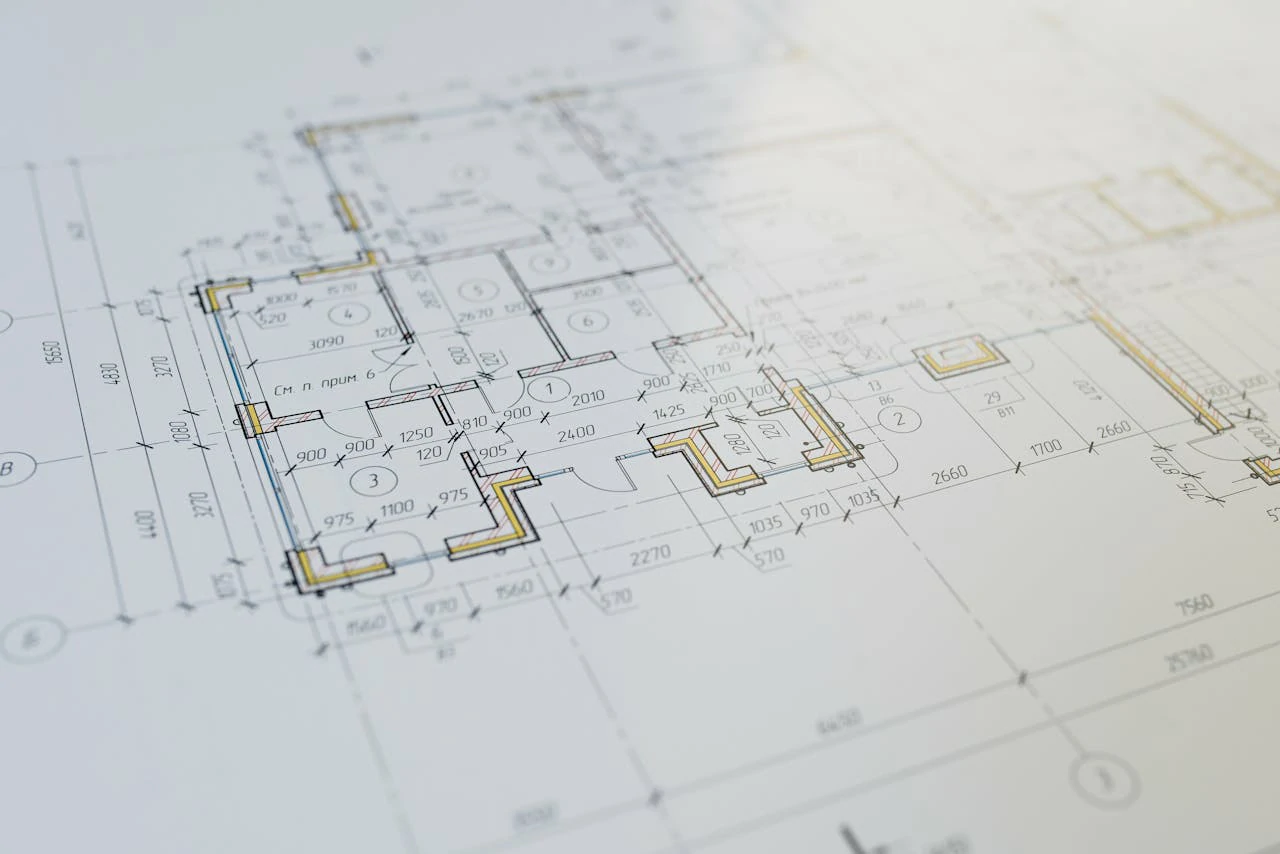
A building plan is a set of detailed drawings that illustrate the design, layout, and technical specifications of a proposed structure—be it a new house, commercial building, addition, or even a carport. These drawings include everything from floor plans and elevations to plumbing, electrical layouts, and site positioning.
The purpose of the building plan approval process is to ensure that what you intend to build is safe, compliant with national building regulations, and compatible with your local municipality’s zoning and land-use policies.
Approval also ensures your building won’t negatively affect neighbours, public infrastructure, or the environment. Without it, you could face fines, legal complications, or even a court order to demolish your structure.
How Do I Approve a Building Plan in South Africa?
Approving a building plan begins with assembling the right professional team. Your first step is to appoint a SACAP-registered architect or draughtsperson, who will prepare your building drawings in accordance with the National Building Regulations and Building Standards Act (Act 103 of 1977).
Once the drawings are complete, they must be submitted to the relevant municipal building control department—this may be done online or in person, depending on the city or town.
In addition to the drawings, you’ll need to submit supporting documents like your title deed, SG diagram, zoning certificate, energy efficiency reports (if applicable), and structural engineer sign-off for more complex designs. After submission, the municipality reviews your plans for zoning compliance, fire safety, structural integrity, stormwater management, and more. If any aspects are non-compliant, they will issue comments requiring changes.
Once revised (if necessary), the plans are stamped and approved, and only then can construction legally begin. In cities like Johannesburg or Cape Town, digital tracking systems allow you to monitor the progress of your application online.
How Long Does It Take for a Building Plan to Be Approved?
The approval timeline can vary depending on the complexity of the project and the efficiency of your local municipality. On average, residential building plans take between 4 and 8 weeks to be approved, while larger commercial or industrial projects can take several months.
However, delays are not uncommon, especially if the submitted documentation is incomplete or if there’s a backlog at the municipal offices. Engaging with a qualified professional who is familiar with your municipality’s procedures can significantly speed up the process. Additionally, regular follow-ups with building control can help ensure your application doesn’t fall through the cracks.
How Long Are Approved Building Plans Valid in South Africa?
Once your building plans are approved, they are typically valid for 12 months from the date of approval. This means you must commence construction within that timeframe, or you risk your approval lapsing.
If your project is delayed beyond that, you can apply for an extension, though approval of extensions is at the discretion of the municipality and may involve additional paperwork or updated compliance checks.
It’s best to start building as soon as possible after receiving your approved plans to avoid having to resubmit them, especially if building codes or zoning laws change in the meantime.
What Happens If You Build Without Approved Plans?
Building without approved plans in South Africa is a serious violation of the law. If caught, you could be served with a “stop work” notice, fined, or, in extreme cases, ordered to demolish the illegal structure, regardless of how far along the construction is.
Unapproved buildings can’t be insured properly, may not qualify for a bond, and are difficult to sell or transfer legally. In cases where the structure is already built, municipalities often require as-built plans—a retroactive submission that shows what was constructed.
However, approval is not guaranteed, and you could still face penalties. Simply put, bypassing the approval process is a risky and costly mistake.
What Is the Biggest You Can Build Without Planning Permission in South Africa?
South African building regulations allow for only very limited construction without planning permission. Generally, any structure larger than 10 square metres, or that is connected to municipal services like water, electricity, or sewage, must be approved. Even small additions like a Wendy house, tool shed, carport, or boundary wall may require approval, depending on height, location, and local bylaws.
Some municipalities may allow minor structures under certain size thresholds without full plan submission, but you should never assume—always confirm with your local council before beginning any type of construction.
Tips for a Smooth Building Plan Approval Process
- To make the process as efficient as possible, start with a qualified professional who understands both architectural design and local council expectations.
- Double-check that all required documents are included in your submission.
- Know your property’s zoning restrictions, as this can impact everything from building height to boundary setbacks.
- Track your application using your municipality’s e-services portal (if available), and don’t hesitate to follow up.
- Finally, build enough time into your project schedule to allow for inevitable delays, especially if your plan is complex or in a high-demand area.
FAQs
Do I need plan approval for small renovations or internal changes?
In most cases, yes—especially if the renovations affect the structure, layout, or services (e.g., plumbing or electrical).
Can I submit plans without an architect?
While it’s legally possible for small structures, it’s not recommended. Working with a registered professional ensures compliance and improves your chances of approval.
How much does building plan approval cost?
Costs vary by municipality and project type, but typically include submission fees, plan scrutiny fees, and professional fees.
Can I get my approved plans online?
Some cities, like Johannesburg and Cape Town, offer online access to approved plans or submission progress through e-services platforms.
Navigating the building plan approval process in South Africa may seem complex, but with the right knowledge and professional support, it becomes a manageable and essential part of your construction journey. From ensuring compliance to avoiding costly penalties, getting your building plans approved is a step that simply cannot be skipped.
Whether you’re building a home, renovating a commercial space, or developing a new project, Standish is here to help you every step of the way—from design and documentation to submission and approval.
Need help with building plan approval? Contact Standish today for expert assistance and peace of mind.
